Your first week at the gym: a beginner's guide
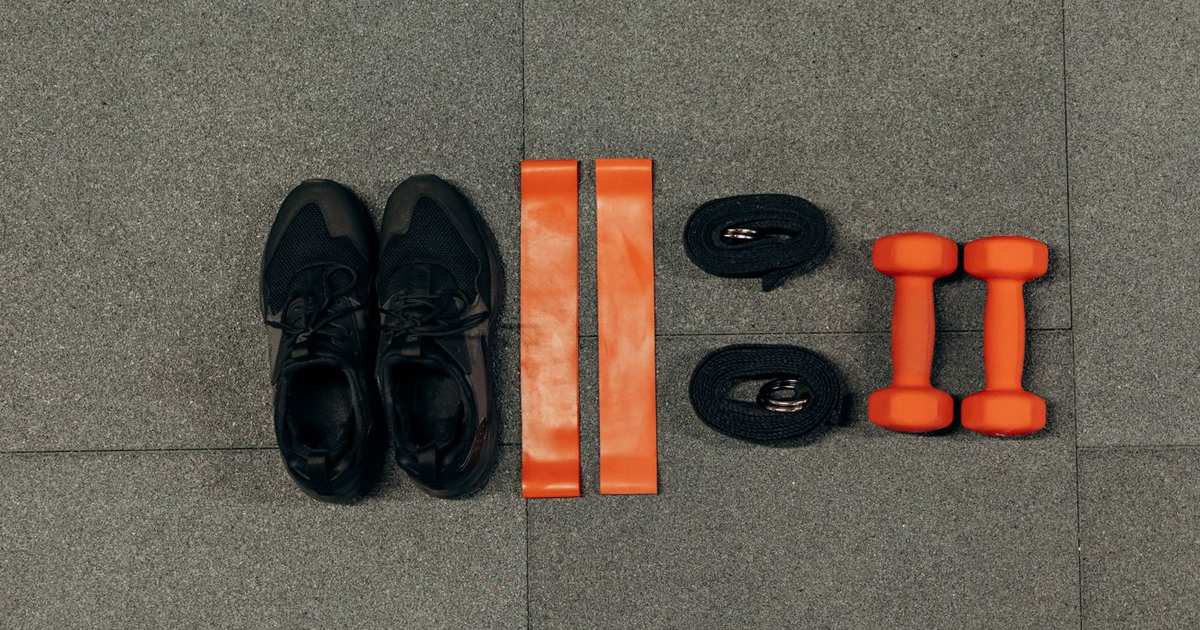
Starting at a gym can feel like a lot. The good news: you don't have to do everything at once. Any amount of activity is better than none, and every session counts.
Before you start
If you haven't exercised for a while, or you have a health condition, it's a good idea to talk to a doctor first.
What to aim for (over time)
The World Health Organization recommends that adults do 150 to 300 minutes of moderate to vigorous activity a week. Moderate activity makes you breathe faster and feel warmer: you can still talk, but not sing. The NHS also recommends strengthening activities on at least two days a week that work all the major muscles: legs, hips, back, stomach, chest, shoulders and arms.
That's a target to build up to, not where you have to start.
Your first sessions
- Warm up for at least 6 minutes. March on the spot, do some knee lifts and shoulder rolls. A warm-up helps prevent injury and makes the workout more effective.
- Start light. Begin with your own body weight or light weights. Aim for 8 to 12 repetitions of each exercise, stopping when another one would be hard to do with good form.
- Build up gradually, over a period of weeks. Once an exercise feels easier, add a few more repetitions or a little more weight, but not both at once.
- Ask if you're not sure. If you don't know how a machine works, ask before you use it.
- Drink water before, during and after your session.
A simple first week
- Day 1: warm up, 15–20 minutes of easy cardio (walking on the treadmill or cycling), then a few light strength exercises for the whole body.
- Day 2: rest, or go for a walk.
- Day 3: repeat day 1, maybe a few minutes longer.
- Days 4 and 5: rest, or light activity you enjoy.
- Day 6: a third session if you feel up to it.
Try to leave about 48 hours between strength sessions for the same muscles. Training your legs one day and your arms the next is fine.
What's normal to feel
When you start strength training, it's common to feel some muscle ache the next day. This is called delayed onset muscle soreness (DOMS). It's normal, and it shows your muscles are adapting. Rest, gentle stretching, drinking water and eating well all help.
But if you get chest pain, dizziness or feel very unwell, stop exercising and get medical advice.
General information, not medical advice. If you have a health condition, check with a doctor before starting a new exercise or diet.
More from the blog
-
Drinking enough water when you train in the heat
How to stay hydrated on hot days, the warning signs of dehydration and heat exhaustion, and what to do.
-
How strength training can help your mental health
Research suggests lifting weights can ease low mood and anxiety. Here's what the studies found, and what they don't say.